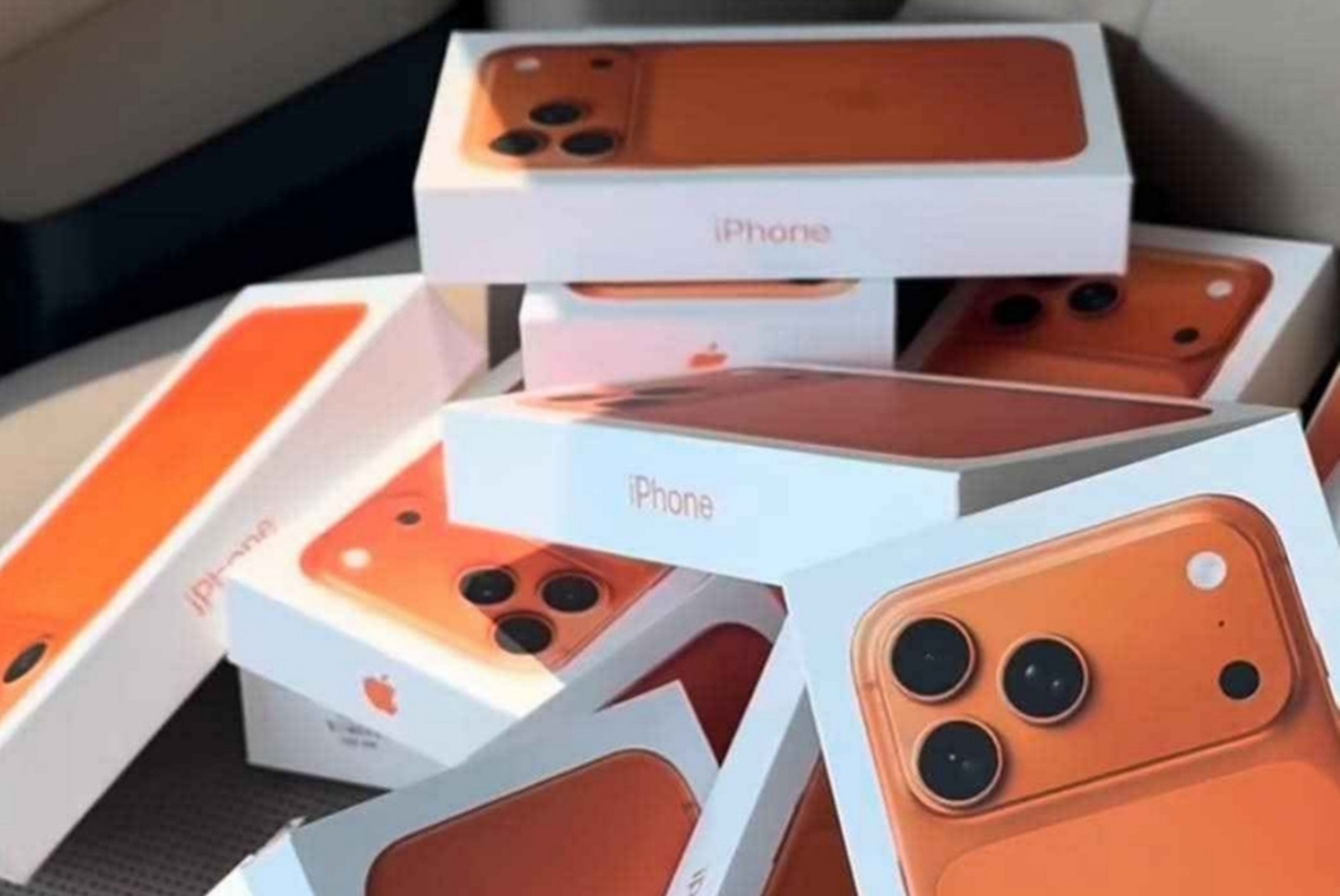
While many families cut expenses due to inflation, Apple continues to sell its products like ‘hot cakes’.
The company reported historic revenue of $111.2 billion in a single quarter, the best March in its historydriven by the high demand for the iPhone 17 that its CEO, Tim Cook, described as “extraordinary.”
Earnings per share rose 22%up to $2.01, a sign that technology spending remains strong in certain segments, regardless of the high costs of virtually all basic consumer products and services.
Beyond the numbers, these results show who is still spending big in 2026 and who can no longer under the impact of inflation.
The quarter that Wall Street did not expect
Until the report, analysts were projecting revenue of $109.66 billion. Apple surpassed them by more than $1.5 billion, with an increase of 17% compared to the same period in 2025when the company had a turnover of $95.4 billion, according to Apple’s official report published on April 29, 2026. All categories grew: iPhone led with $56.99 billion, Services reached a record figure of $30.97 billion, Mac generated $8.4 billion and iPad added $6.91 billion.
“The first half of this year was exceptionally robust,” Cook said during the presentation of the report to the press.
The iPhone 17: demand “off the charts” despite the price
The iPhone 17 is not exactly cheap. Still, sales rose. 22% compared to the previous year, from $46.8 billion to $56.99 billion. Cook stated that the iPhone 17 became “the most powerful, capable and successful line” in the brand’s history, according to Business Insider.
The only nuance: Apple could not satisfy all that demand. Chief Financial Officer Kevan Parekh warned that the company faces a shortage of memory chips, caused by global demand for semiconductors for artificial intelligence.
Services: the business that has almost reached the iPhone
Every time a user pays for iCloud, Apple Track, or AppleCare, it fuels the company’s most profitable engine. The Services generated $30,970 millionwith a gross margin greater than 70%, according to CNBC. Apple has more than 2.5 billion active devices in the world, an imperfect from which it monetizes services on a recurring basis.
China rebounds and Latin America watches
Revenue in the Greater China region rose to $20.49 billionsurpassing the $18.9 billion projection published by Yahoo Finance. The recovery is significant after quarters of competitive pressure from Huawei.
For Latin America, where the price of the iPhone 17 can exceed several monthly minimum wages, demand exists among those who can afford it, but access remains unequal.
The end of the Cook era: its last record quarter
This was the first report since Apple announced that Tim Cook will step down in September 2026after 15 years, to hand over the position to senior vice president of hardware John Ternus.
The council approved Additional $100 billion for share buybacks and raised the dividend to 27 cents per sharean increase of 4%. Cook leaves with the company at its best financial moment in history.
Frequently asked questions (FAQ): Apple and its record quarter
How much did Apple earn in its fiscal second quarter of 2026?
Apple reported revenue of $111.2 billion in the quarter ending March 28, 2026, an increase of 17% from a year earlier, according to the official statement dated April 29.
How much did Apple sell in iPhones?
iPhone sales reached $56.99 billion, a growth of 22% compared to $46.8 billion in the same quarter of 2025, confirmed by CNBC and Apple’s report.
Why couldn’t Apple meet all the demand for the iPhone 17?
Due to a shortage of memory chips caused by the high global demand for semiconductors for artificial intelligence.
What will happen to Apple when Tim Cook leaves?
Cook leaves the role in September 2026. He will be replaced by John Ternus, senior vice president of hardware. The company reaches this transition at its best financial moment in history.
What are Apple Services and why do they matter?
They are iCloud, Apple Track, Apple TV+, AppleCare and digital payments. They generated $30,970 million this quarter with margins greater than 70%, being the company’s second driver of income.
What does this result mean for consumers who use Apple?
That high demand reduces Apple’s pressure to lower prices. For users of subscription services, the company has incentives to continue increasing rates.
Conclusion
Apple’s numbers portray this trusty divided economy phenomenon of 2026. As low-income households cut back on gasoline and foods, consumers with spending capacity continue buying the most expensive iPhone in history.
The question for the post-Cook era will be whether the iPhone can continue to grow when tariffs, chip shortages and economic polarization begin to narrow even the purchasing capabilities of the top rate market.
Keep reading:
– All about the iPhone 18: features and rumors of Apple’s new release
– Trump announces Apple’s idea to invest an additional $100 billion in the US.
– Tim Cook leaves Apple after 15 years: John Ternus will be the new CEO starting in September