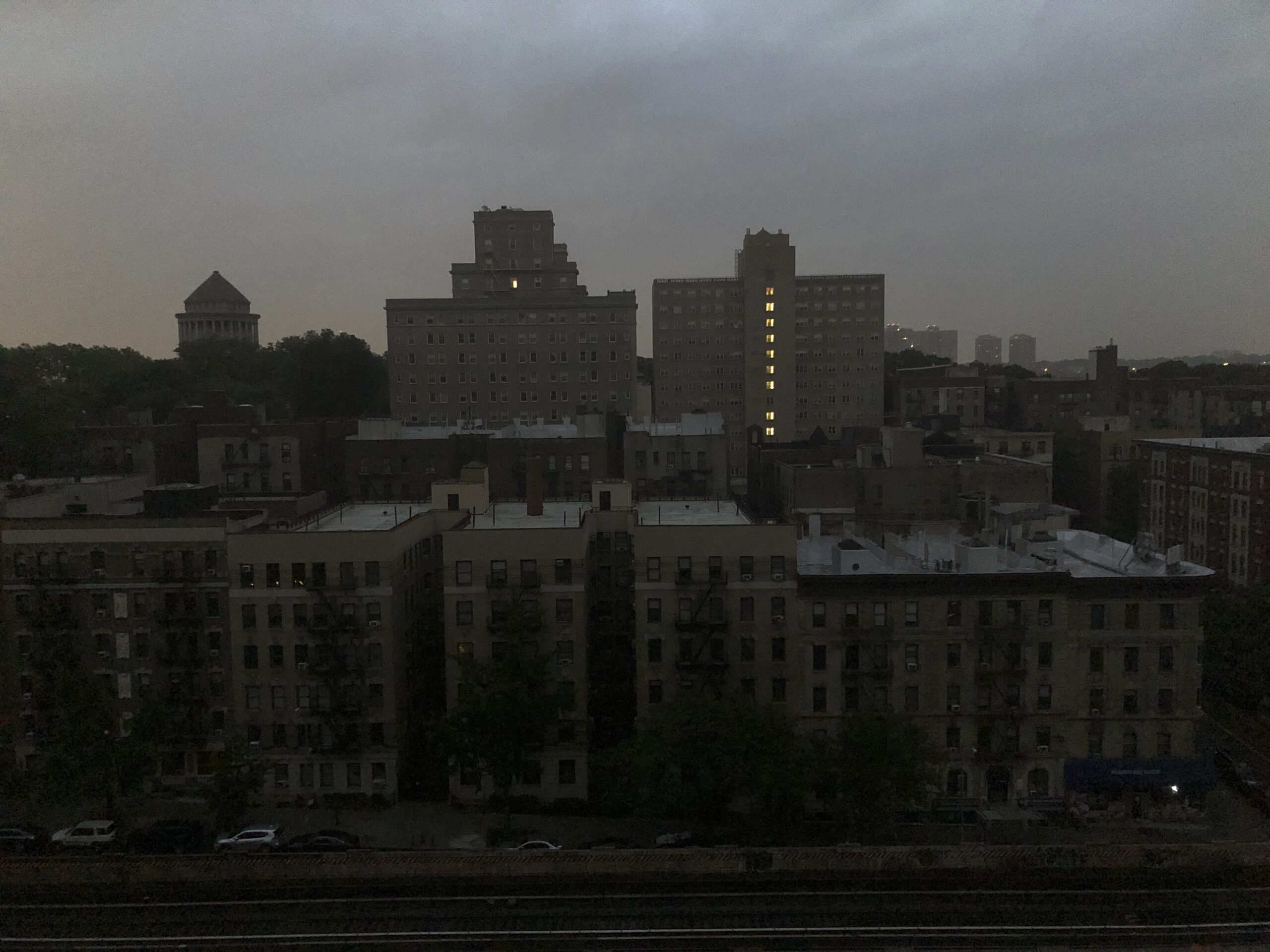
New York prepares for a particularly challenging summer in energy matters. State authorities have set off the alarms due to the risk of blackouts because The electrical grid will operate with the lowest reserve margin recorded in more than a decade, a situation that could worsen with the arrival of prolonged heat waves.
The most recent report from the New York Independent System Operator (NYISO), the body in charge of overseeing the state’s electrical grid, warns that lReserve capacity has fallen below the recommended 16%, reaching its lowest level since 2013. This means that the system will have less margin to respond to unexpected spikes in demand, especially during consecutive days with temperatures near 38°C (100°F).
NYISO President and CEO Rich Dewey was clear when describing the outlook: the state faces “the smallest energy surplus in its history,” statements reported by Spectrum News. Although the authorities assure that contingency plans exist, they also recognize that extreme events, such as an unusual heat wave or technical failures in power plants, could put supply at risk.
A pink aging under pressure
One of the main factors behind this vulnerability is the aging of energy infrastructure. Many power plants in New York are between 50 and 70 years old, which reduces its efficiency and increases the probability of failures. According to industry experts, these facilities no longer operate with the same performance as in their best years.
Added to this is a regulatory environment that, according to industry leaders, has made it difficult to modernize these plants. The lack of authorization to “repower” existing units has limited the system’s ability to adapt to new energy demands.
Increased consumption also plays a key role. The growth in manufacturing activity, along with increased energy use in homes, especially for air conditioning systems, is putting pressure on a network that has not grown at the same pace.
A National Grid spokesperson noted that although blackouts are less frequent today than they were two decades ago, current demand is beginning to exceed generation availability at critical times.
The concern is not theoretical. Last summer, New York experienced several heat waves that put a strain on the system. In one of the most critical episodes, several older plants failed to come online, forcing authorities to import electricity from Canada and the Midwest to avoid massive blackouts.
This precedent revealed the fragility of the network in the face of extreme conditions, something that could be repeated this year if temperatures remain high for several consecutive days.
How to anticipate a blackout
Given this scenario, organizations such as the NYISO, the Department of Public Services and Con Edison recommend that the population stay informed and pay attention to early signs that could indicate problems in the electrical supply.
Among the most common signs are:
1) Flashing lights
2) Fluctuations in voltage
3) Appliance failures
Besides, Authorities usually issue alerts through text messages, emails and official media asking users to reduce their consumption during peak hours. These measures seek to prevent demand from exceeding the system’s capacity.
Also It is important to differentiate between widespread blackouts and rotating scheduled outages, which are controlled outages designed to protect the network during times of high demand.
Key recommendations for the population
Preparation can make the difference in the event of a prolonged power outage. NYC Emergency Management recommends taking preventive measures before an emergency occurs.
Among the main suggestions are:
*Have flashlights and batteries available
* Keep mobile phones charged
* Have portable chargers
* Avoid using elevators during energy alerts
In the event of prolonged blackouts, especially during heat waves, the city sets up cooling centers to protect the vulnerable population. Older people, young children and those suffering from chronic diseases should pay special attention and, if possible, notify their situation to the authorities to receive priority assistance.
A problem that won’t be solved soon
Despite efforts to modernize the system, experts agree that the solution will not be immediate. Even if new energy projects were approved today, their impact would not be reflected in the short term.
The consensus between authorities and companies is clear: New York needs new sources of energy and a more robust infrastructure to meet growing demand. Meanwhile, vigilance and citizen cooperation will be essential to avoid major crises.
For millions of residents, the summer of 2026 could become a test of energy resilience. Staying informed and prepared will be key to facing a scenario where each degree of temperature could make a difference.
Keep reading:
* Your electricity bill could go up without you consuming more: this is the reason behind the increase in the US.
* Energy disaster hits Latino families: “One Scorching Summer season / ¡Qué Calor!” seeks to transform the cost of electricity into civic power
* Almost 50 congressmen ask the DOE to restore federal funds for solar panels in Puerto Rico under PR-ERF