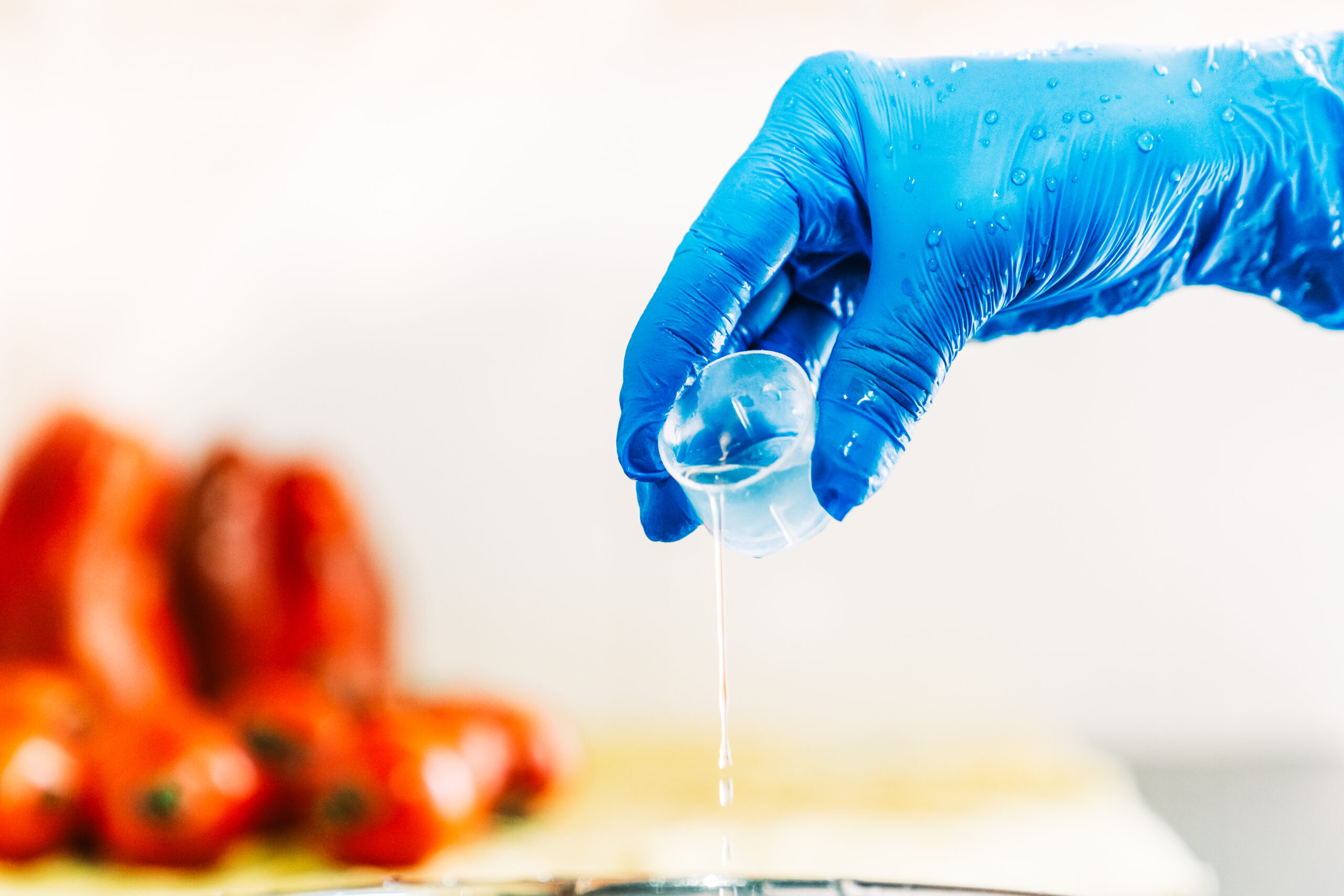
Most of the vegetables and fruits commercials are treated with pesticides that come directly to our tables. In many cases, we end up consuming these chemicals due to lack of knowledge of correct washing techniques.
The nutritionist Adriana Pinillos explains that the significant problem is not the lack of hygiene, but that, even if they wash, it is not always done efficiently. This causes them to remain glyphosate residue and others agrotoxic on the skin of food.
The danger of chlorine and soap: myths debunked
Popularly, certain things have gone viral cleaning trends that suggest sanitizing food with bleach and soap. However, the expert warns that the chlorine is a product designed to disinfect surfaces and does not have the ability to remove pesticide residue.
On the other hand, the soap it is not suitable for human consumption; Its porosity allows residues to remain in the food we ingest without realizing it, which represents a health risk.
Effective methods: Baking soda and Vinegar
He baking soda and the vinegar They are the true allies in the kitchen. According to the specialist, the secret of success lies in the exposure times and the e-book technique.
Use of baking soda
For this method, the very supreme ratio is one teaspoon per cup of water. The soaking time should be between 12 to 15 minutes.
- Red and porous fruits: For strawberries, blackberries or blueberries, just 5 minutes soaking. Subsequently, they should be rinsed with plenty of water rubbing them gently with your fingers.
- Firm vegetables: In the case of apples, cucumbers or carrots, after soaking they should be rubbed with a soft bristle brush. It is important not to use a brush on red fruits to prevent them from becoming soft or damaged.
Alternative option: vinegar
It is another excellent pure option. The mixture consists of a cup of vinegar for every liter of water. Food should be left to soak for 20 minutes and then rinse with plenty of water until any trace of vinegar smell or taste is eliminated.
How to wash green leaves correctly?
The green leafy vegetables They tend to concentrate a greater load of pesticidesaccording to recent studies. The key to cleaning spinach, lettuce or cilantro is to separate the leaves and immerse them in the water one by one, avoiding piling them up.
The process requires 5 to 10 minutes in baking soda. Afterwards, it is crucial to rinse by rubbing with your hands. We must remember that the structure of the leaf retains more residue than a smooth-skinned fruit and, therefore, requires greater work e book.
Although some sectors debate the suitability of baking soda or vinegar for a complete disinfection, Pinillos affirms that, if the times are respected and a deep rinsethe method is really functional.
Ozone: technology for disinfection
For her part, the food engineer Marian Zapién states that the ozone It is highly effective for disinfecting. This acts like “sandpaper” that damages the cells of the microorganisms.
“Imagine that ozone is invisible sandpaper. When it comes into contact with microorganisms, it begins to scratch and break their walls and DNA until they are left inactive,” says the engineer.
For those who opt for this technology, it is better to follow the manufacturer’s step by step. The equipment usually requires between 4 to 12 minutes of action, always depending on the type of food you wish to disinfect.
Keep reading:
.Strawberries are the fruit with the most pesticides in 2026 in the US: what you should know
.Foods that might surprise you if you knew what they contained
.Foods that may contain pesticides that you didn’t know about, how to wash them?