As the United States prepares to commemorate the 250th anniversary of its independence This July 4, an essential chapter of its history becomes relevant again: Spain’s decisive but often overlooked role in the defeat of the British Empire and the birth of the nation.
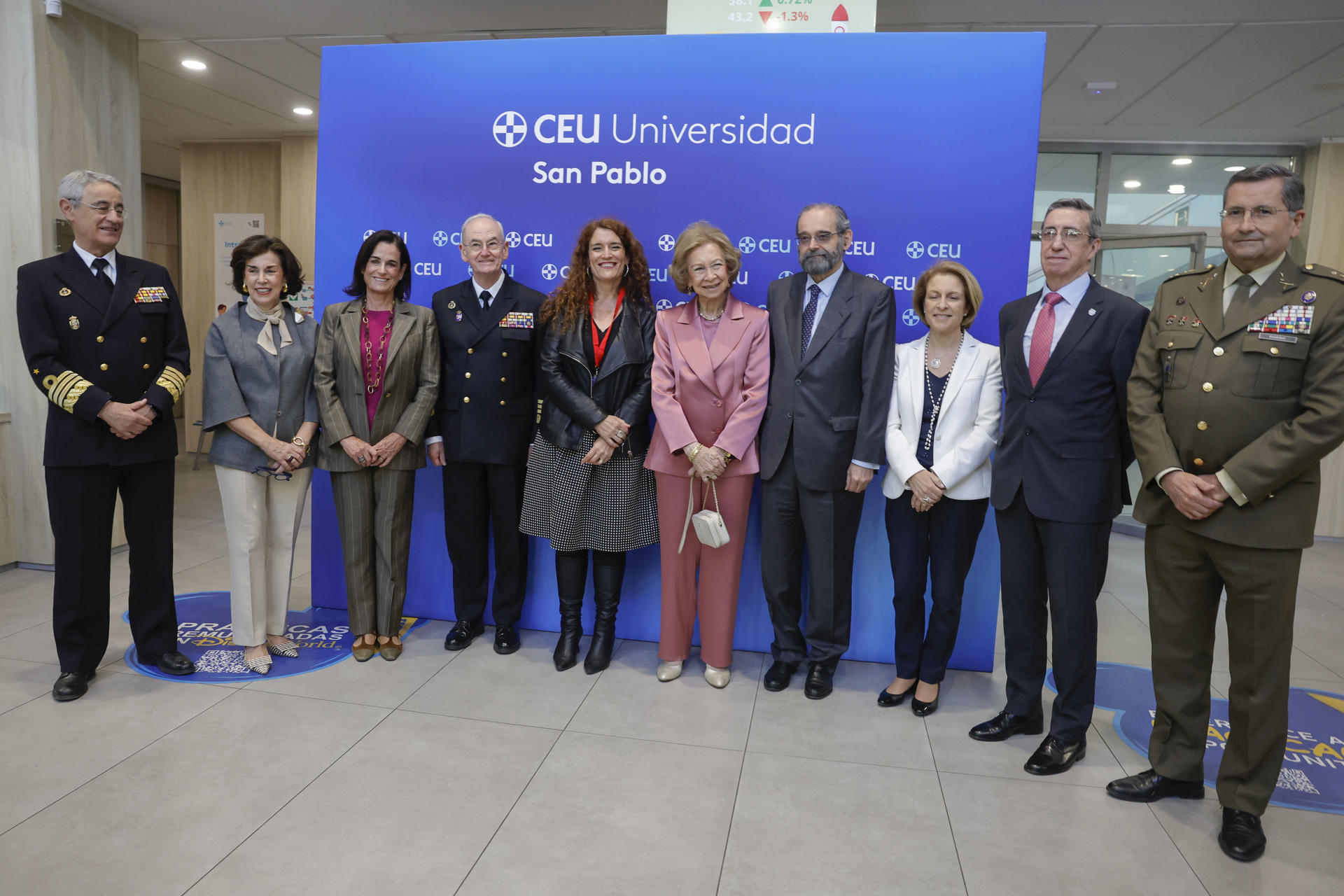
This historical rediscovery is the central axis of an international conference inaugurated in Madrid by Queen Sofia, which brings together experts to analyze the Spanish influence in the United States War of Independence (1775-1783).
Under the title “The erasure of Spanish history in the United States,” American historian Richard Kagan opened the debate on how this contribution has been minimized in traditional accounts.
A key shadow ally
Although France usually takes center stage as an ally of the rebellious colonists, Spain played an indispensable strategic role. His intervention not only weakened the British forces, but also opened key fronts in the south of the territory, particularly in the Gulf of Mexico region.
The most prominent figure in this participation is Bernardo de Gálvez, Spanish soldier and politician who led the troops that fought the British in the south. As governor of Spanish Louisiana during the reign of Charles III, Gálvez He organized a series of successful military campaigns that culminated in the capture of Pensacola, Florida, in 1781.
This victory was essential, since it expelled the British from the region and assured the administration of the strategic Gulf of Mexico, significantly weakening the UK’s military capability in the war.
From military hero to forgotten symbol
Gálvez’s legacy was widely recognized at the time. He even paraded alongside George Washington in Philadelphia after the rebels’ victory. However, with the passage of time, his figure was relegated in the American collective memory.
It was not until 2014 that then-President Barack Obama granted him honorary US citizenship, a recognition reserved for only a handful of historical figures such as Winston Churchill or Mother Teresa of Calcutta. Additionally, his portrait was placed in the Capitol in Washington, in an attempt to restore him to his rightful place in the country’s history.
The congress in Madrid is part of a series of initiatives that seek to recover this shared memory between Spain and the US. Last March, Queen Sofía inaugurated the “The United States&Spain250” project in Miami, intended to highlight the historical ties between both nations in the context of the anniversary.
Likewise, in September 2025, the symposium “Spain and the birth of American democracy” was held, organized by the Queen Sofia Spanish Institute in collaboration with the Daughters of the American Revolution.
Experts such as Ginnie Storage, president of the latter organization, have stressed that Spanish participation has been “traditionally ignored”, a vision shared by historians and cultural authorities.
Francisco Germán Martínez Lozano, director of the Spanish Army Museum, has also pointed out that the dominant narrative about American independence tends to focus exclusively on the colonists and French aid, leaving out a key piece: the diplomatic, financial and military network deployed by Spain.
Beyond the battlefield
Spanish support was not limited to military actions. Spain contributed with financial resources, supplies and logistical support which were vital to sustain the colonists’ war effort. Furthermore, its geopolitical strategy helped disperse British forces on multiple fronts, reducing their ability to respond.
This comprehensive approach reinforces the knowledge that the independence of the United States was the result of a complex network of international alliances, in which Spain played a much more relevant role than has traditionally been recognized.
The 250th anniversary of American independence represents a unique opportunity to review and expand the historical narrative. Recognizing Spain’s contribution is not only an act of historical justice, but also a way to strengthen cultural ties between both countries in the present.
As the Fourth of July celebrations approach, the rediscovery of figures like Bernardo de Gálvez invites us to rethink US history as a collective enterprise, in which multiple nations and cultures played a decisive role in building the oldest democracy in the modern world.
Keep reading:
* The 250th anniversary of the United States: Franklin Chang-Díaz, the Latin astronaut who revolutionized NASA and space propulsion
* America’s 250th birthday: NYC to celebrate with 8 Cases Square ball drops and historic flotilla on the Hudson
* The 250th anniversary of the United States: this would be the Arc de Triomphe in Washington that Trump wants to build