In a city where the overdose crisis remains a public health problem, the most recent data shows a relevant change. New York recorded more than 3,000 overdose deaths in 2023, but also a slight improvement: the lowest rate since 2020, as reported by the Department of Health. That turn helps to understand why naloxone became a central tool in the response to this crisis.
This medication, accessible and easy to use, can reverse an overdose in minutes and today it is a key part of the strategies to reduce deaths in New York.
What is naloxone and why is it key?
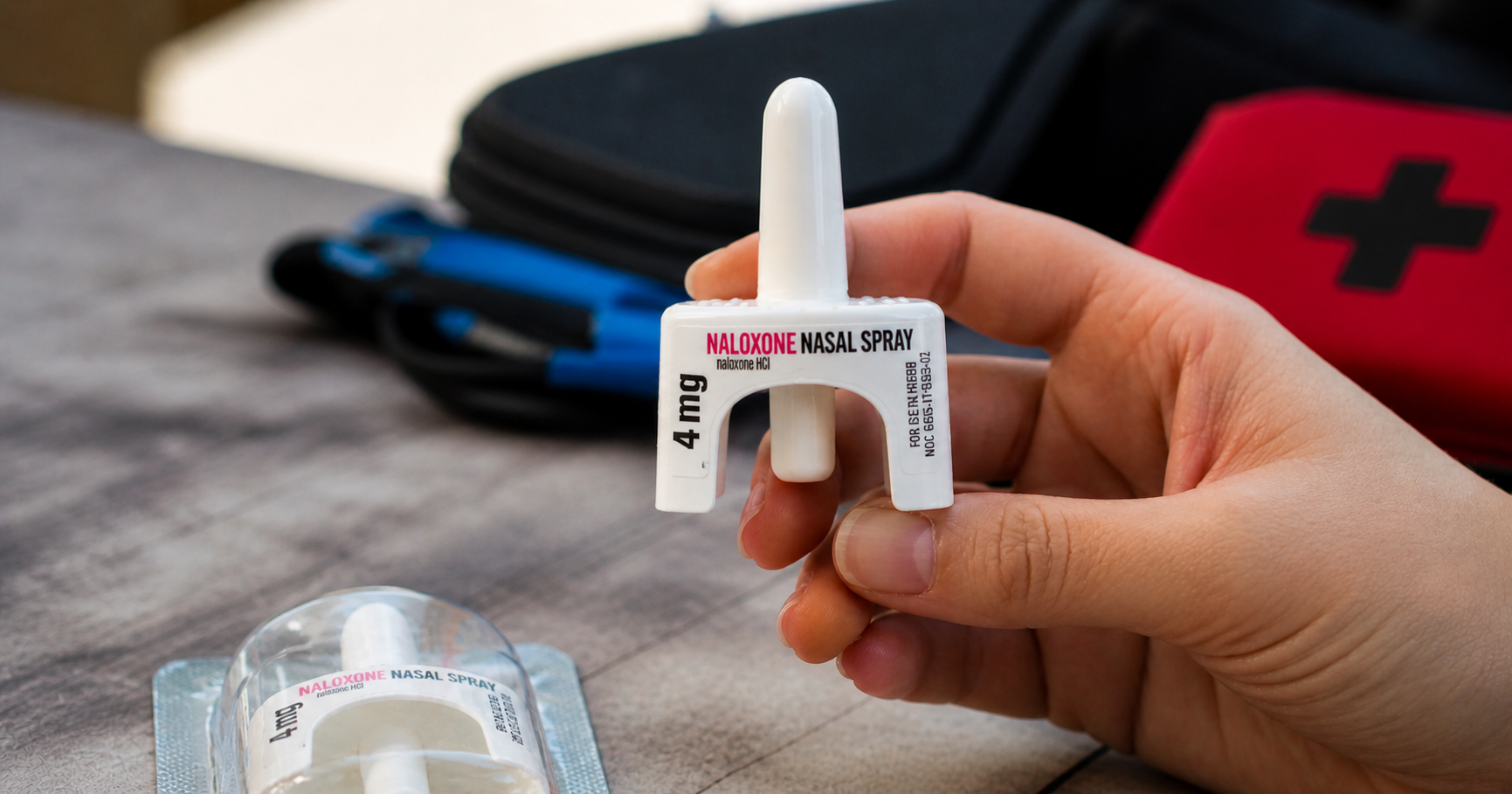
Naloxone—commercially known as Narcan—is a medication that reverses the effects of opioids in the body.including those of fentanyl, the main cause of overdose deaths today.
It works by blocking opioid receptors in the brain, allowing breathing to resume in a person who is suffering from an overdose. Its effect is rapid and, in many cases, decisive.
According to the New York City Department of Health (NYC Successfully Being Department), expanding access to naloxone is one of the most effective measures to prevent deaths in the steady state.
How to use it and what happens in an emergency
The most common form of naloxone is a nasal spray, which allows anyone to administer it without medical training. In the event of an overdose—when someone has slow breathing or stops responding—the medication It is applied to one of the nostrils. Within a few minutes, it can reverse the effects and allow the person to breathe again.
However, The authorities insist that you should always call emergenciessince naloxone can lose its effect before the body completely eliminates the drug.
The Centers for Disease Control and Prevention (CDC) recommends its immediate use in any suspected overdose, even if there is no complete certainty.
Access in New York: wider than ever
In recent years, New York has significantly expanded access to naloxone. Today can be obtained in many pharmacies without a prescriptionafter regulatory changes that facilitated its availability throughout the United States.
Additionally, the New York State Department of Health (NYSDOH) distributes free naloxone through community programsnon-profit organizations and health centers.
These programs include basic training, which allows family members, neighbors or anyone to intervene in a critical situation.
Where to get naloxone in New York (free and without a prescription)
In NY, Naloxone is licensed, accessible and in many cases free. The state expanded its availability so that anyone can use it in the event of an overdose, even without medical training.
- Pharmacies: Naloxone can be obtained in most pharmacies in the city without a prescription. This is possible thanks to a permanent state order that allows its direct dispensation. Chains and independent pharmacies usually offer presentations such as nasal spray. The cost may vary, but there are also options covered by insurance or public programs.
- Free Community Programs: One of the most important ways is free distribution through community organizations. The NYC Successfully Being Department coordinates programs where you can receive free naloxone, along with basic training in how to use it. These outlets include health centers, nonprofit organizations, harm reduction programs, and community events. In many cases, no identification or insurance is required.
- Hospitals and health centers: Some hospitals and clinics also give naloxone, especially to people at higher risk or their family members. Additionally, health care workers often train on how to recognize an overdose and act quickly.
Who can have it and how much does it cost?
In New York, anyone can carry naloxone. You don’t have to be patient, you don’t need a prescription and it’s not illegal to carry it. The authorities even recommend that family members, caregivers and
people who live with someone at risk.
In pharmacies, the cost depends on the brand and insurance:
- Without insurance: between $40 and $150 for equipment (usually nasal spray such as Narcan).
- With insurance: it can be free or with a low copay.
- Generic versions: These are usually cheaper.
The context: a crisis that is still present
Naloxone use is directly linked to the magnitude of the opioid crisis. In New York, fentanyl is present in the majority of overdose deaths, increasing the risk and speed with which an emergency is created.
Therefore, the steady strategy is not limited to treatment, but incorporates immediate response measures to prevent deaths.
Naloxone and a radical change in the way we approach the problem
The expansion of naloxone reflects a shift in public health focus. Beyond prevention and long-term treatment, The authorities prioritize avoiding deaths at the critical moment. In that sense, naloxone stopped being a medicine exclusive to the health system and became a community tool.
In a crisis where minutes can make a difference, your availability can be decisive.
Continue reading:
What happens when marijuana does not leave the body: the warning from doctors in the US
Overdose in the US: North Carolina leads the reduction in fentanyl deaths
Study reveals that spirituality could reduce alcohol and drug consumption