By Miyeilis Flores
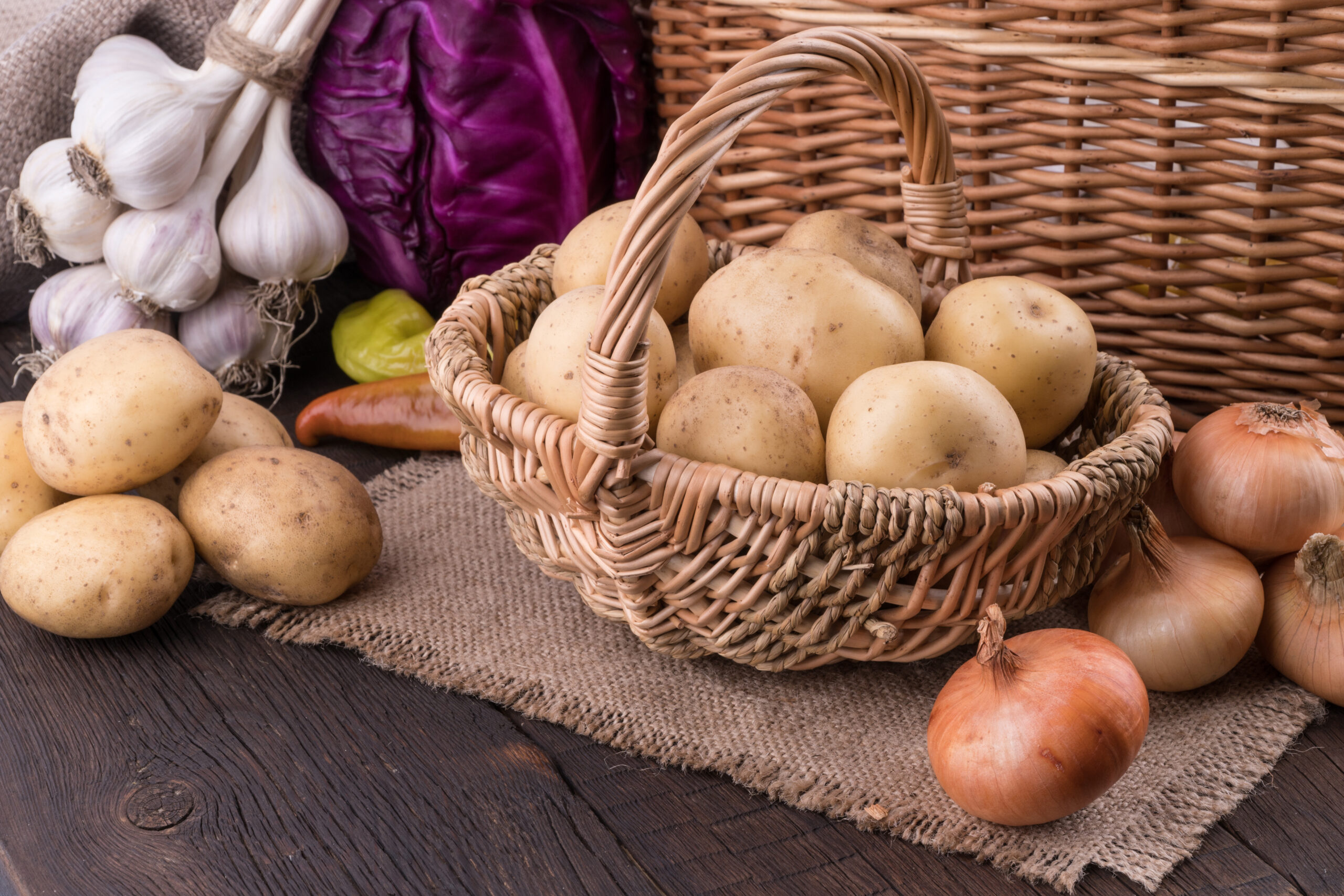
A chef, a cook or a food engineer They have the experience and knowledge to know the best ways to handle food so that they last longer without losing their organoleptic properties. On this occasion, the renowned Michelin chef Jordi Cruz reveals her best tricks for storing potatoes, onions and garlicensuring that they maintain their texture and flavor for much longer.
Cruz, with his extensive experience in award-winning restaurants Michelin starsexplains how the chemical compounds in these foods interact with each other, accelerating or preserving the maturation times.
The role of ethylene gas in your kitchen
One of the great secrets that should be the domain of every person who cooks is that the onion emits a gas called ethylene. This is a plant hormone which, as with apples, acts as a growth regulator that accelerates maturation and germination of certain seeds, roots and tubers.
For this reason, when we save onions with potatoesthe latter tend to sprout quickly. This process activates the production of solaninean alkaloid compound that can be toxic in large quantities. The chef clarifies that the most advisable thing is avoid eating sprouted potatoes; Although a very high intake would be required for severe poisoning, for food safety, it is best to discard them.
Garlic: the natural protector of the potato
On the contrary, with the garlic a fascinating phenomenon happens thanks to the fact that it contains allicin and others sulfur compounds. These substances have the ability to inhibit germination of roots and tubers, functioning as a natural preservative for potatoes.
In summary, for perfect conservation:
- If the potato is green or unripe: You can place it near the onions for accelerate its maturation thanks to ethylene.
- If the potato is at its optimal point: Keep the onions away and place the garlic close to protect them and prevent them from sprouting.
Keep reading:
This explains why blue cheese can be eaten and other moldy cheeses cannot.
.Stop using aluminum foil for cooking: opt for 4 safe alternatives
.Invisible bacteria: why a good smell does not guarantee food safety