NEW YORK – The transition from PAN (Nutrition Assistance Program) to SNAP (Supplemental Nutrition Assistance Program) in Puerto Rico does not appear in the “Farm Invoice” (Agricultural Bill) that was approved by the federal House of Representatives this Thursday.
He HR 7567 or the Agriculture, Food and Homeland Security Act of 2026 was approved with 224 votes to prefer and 200 against, with 14 Democrats joining 209 Republicans to advance the measure. Three Republicans, Brian Fitzpatrick (Pennsylvania), Andrew Garbarino (New York) and Harriet Hageman (Wyoming) voted against.
As part of the process, legislators discarded provisions related to pesticides that had provoked repudiation, even from Republicans.
The provisions would have prevented states from requiring labels on harmful health effects of these products that were different from those established by the United States Environmental Protection Agency (EPA).
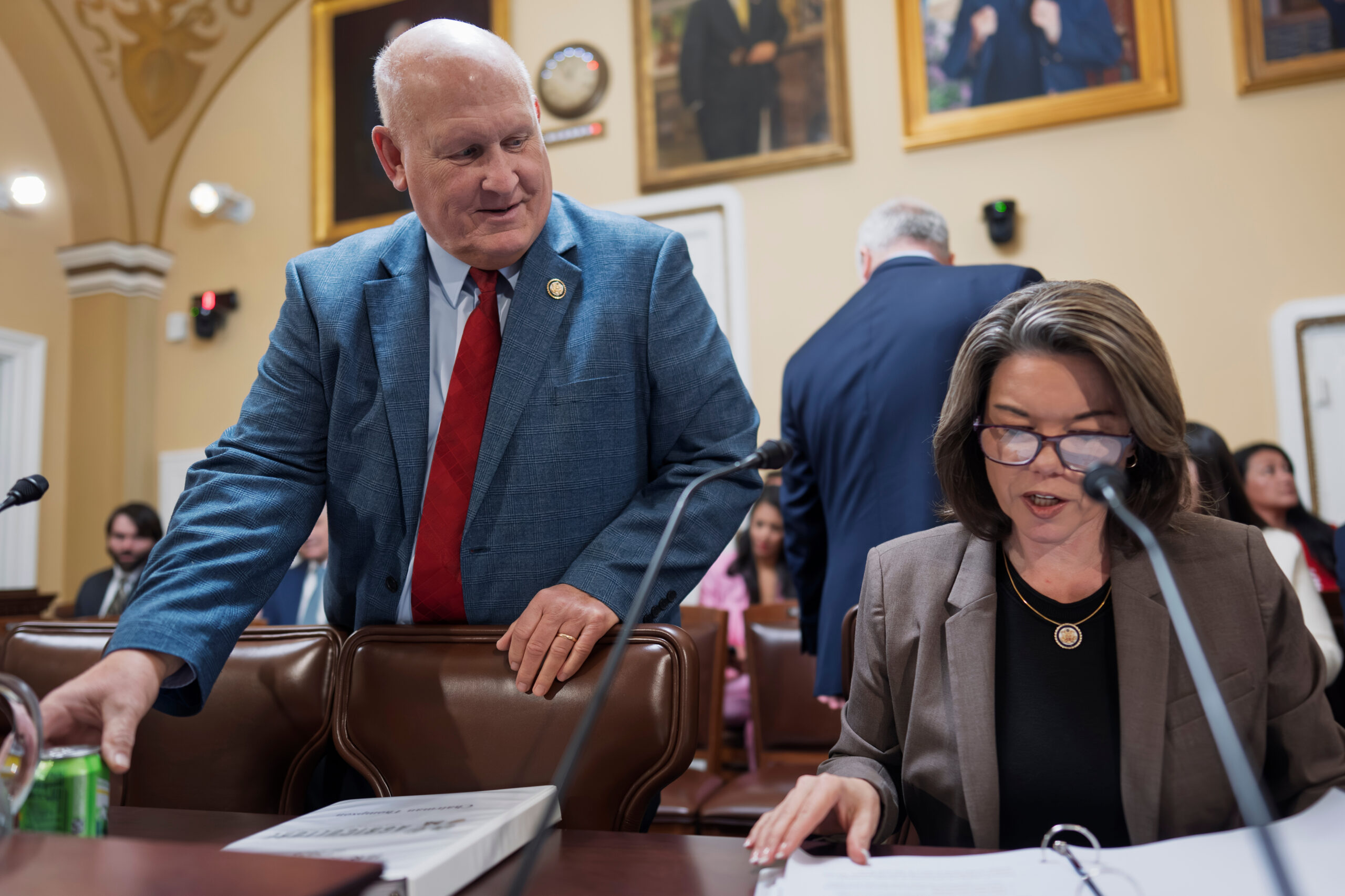
Glenn “GT,” chairman of the House Agriculture Committee, celebrated the passage of the measure by noting that the law was not written in the halls of Congress, but in the fields and rural communities.
“Each provision is a direct reflection of what we learned during each of the more than 150 listening sessions held by the Agriculture Committee,” he said in a message on the X social network.
“The 2026 farm bill represents a victory for our farmers, ranchers, foresters, rural communities and all Americans across our country,” argued Thompson, R-Pennsylvania.
After processing in the Lower House, the measure was referred to the Senate for evaluation.
Due to lack of agreement between Democrats and Republicans, the Farm Invoice has been extended through extensions. The short-term extensions have been agreed to in response to difficulties in passing a new five-year reauthorization.
The 2018 Farm Bill has been extended three times since its normal expiration in 2023.
Regarding the efforts for a transition in Puerto Rico, The version of the legislation did not include the transition to SNAP promoted by the resident commissioner of Puerto Rico in Washington DC, Pablo José Hernández and other interested parties.
The legislator tried to integrate as an amendment to the omnibus package his project HR5168, which seeks to facilitate a transition on the island in a minimum period of 10 years, but it did not prosper.
The Governor of Puerto Rico, Jenniffer González, and members of her team reported in a press release that the Agriculture Committee report accompanying HR 7567 included language promoted by the Administration in favor of the transition.
They argued that The report (H. Rept. 119-620, E book 1) expresses “committee support for the objective of transition from PAN to SNAPand recognizes that SNAP would provide more tools to promote employment on the island.” They add that the text encourages Puerto Rico and the federal Department of Agriculture (USDA) to “continue formulating a view towards the transition that is viable in financial and operational terms.”
“The committee supports the goal of Puerto Rico ultimately transitioning from the PAN block grant to the SNAP programand recognizes that SNAP would provide Puerto Rico with more tools to promote employment. The committee urges both the USDA (Department of Agriculture) and Puerto Rico to continue formulating a financially and operationally viable path for said transition, and to maintain a constant dialogue with Congress about the progress made in this effort. Specifically, the Committee urges the Department to provide robust technical assistance to Puerto Rico throughout this process,” reads the mention under the title “Nutrition Assistance on Puerto Rico,” reads the entry on Puerto Rico in the report.
For the González Administration, the language reflects that support remains for Puerto Rico to participate in SNAP.
“This is an initiative that has been evaluated and discussed for several years, including during my 8 years as resident commissioner. Now as governor, I not only support and appreciate the report and its language regarding the transition, but I will continue to work hard so that Puerto Rico is increasingly better prepared to operate SNAP. Our collaboration with USDA will be further strengthened and, likewise, the quality of services offered to over 1.2 million PAN participants. I thank the president, GT Thompson, for their work and support during this process,” said the governor.
Title IV of Nutrition in the same document mentions, among other things, that Congress recognizes that SNAP allows low-income households to obtain foods that contribute to the prevention of chronic diseases related to diet, disability, premature death, unsustainable health care costs and impaired military readiness. He adds that it is the policy of Congress that USDA administer SNAP in a manner that benefits participants, especially children.
Another provision states that the imposition of new fees on SNAP-authorized retailers is permanently prohibited, a measure originally established in the 2018 Farm Bill.
The legislation also allows state SNAP agencies to use non-merit system personnel in the program certification process, under certain circumstances. The text also authorizes USDA to provide technical assistance and more than one opportunity to meet eligibility requirements related to assortment and inventory, to those retailers that request authorization to participate in SNAP.
Instructions for USDA to include all identified payment errors, regardless of their dollar amount, in a supplemental annual report and to promulgate a proposed rule on the security of EBT (Electronic Benefit Transfer) cards no later than six months after the law is enacted is also part of the content.
The text of the bill passed in the House indicates that the USDA secretary will be required to submit an annual report to the House Agriculture Committee and the Senate Agriculture, Nutrition and Forestry Committee, with a description of measures taken to address increases in requests from the SNAP and any inability to process such applications in a timely manner.
The legislation further requires a report on SNAP administrative expenditures to be developed by the US Comptroller Frequent no later than 12 months after the date of enactment of the law.
As part of the evaluation, the causes of variation among states in SNAP administrative costs should be examined and factors most likely to contribute to an increase in SNAP administrative costs should be identified; and offer recommendations on how the Department of Agriculture and Congress can improve oversight of the program’s administrative costs.
El Diario contacted a spokesperson for the Agriculture Committee for clarification to inquire about the provisions referring to Puerto Rico in the bill. However, we have not received a response.
Keep reading:
- “Pesticides” delay approval of Farm Invoice in the House, where the transition to SNAP in Puerto Rico is also being evaluated
- (VIDEO) Kirsten Gillibrand: “Puerto Rico is prepared” for the transition to SNAP
- Organizations will fight for SNAP for Puerto Rico in the Senate after introduction of the bill
- Puerto Rico: NY Senator Kirsten Gillibrand presents project for transition from PAN to SNAP
- Resident Commissioner Pablo José Hernández confirms that SNAP for Puerto Rico was not included in the “Farm Invoice” extension
- Federal House Committee attributes Puerto Rico’s exclusion from SNAP in new “Farm Invoice” to “budgetary limitations”