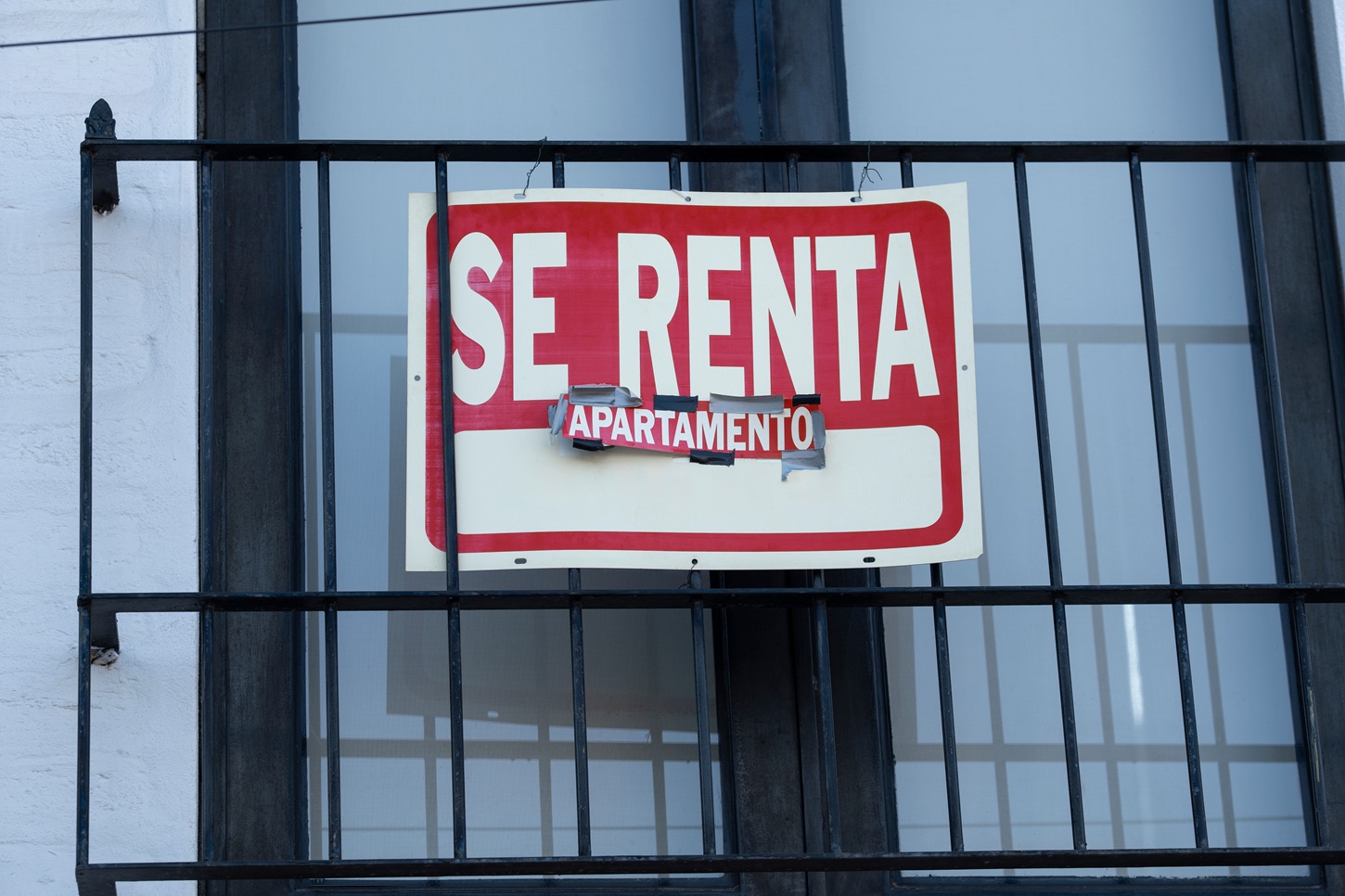
Building a home in the US can already cost up to $10,900 more than a few months ago, and this increase does not only apply to construction companies, it also impacts the income paid by millions of families.
Why are tariffs on China already making housing more expensive?
This increase is linked to the tariffs on products imported from Chinawhich have increased the cost of key construction materials: steel, aluminum, wiring and prefabricated components. The prices of these materials have risen 3% compared to the previous yearaccording to the National Association of Home Builders (NAHB), since the 27% of these materials come from China.
The higher prices have been directly transferred to the final price of homes.
This is because developers pay more to build and, to compensate, they raise prices when selling or renting. In some projects, the increase reaches up to an additional $10,900 per unitdepending on the type of construction and the materials used.
But that’s not all, faced with a lower supply of affordable housing and higher costs, tenants are also absorbing part of the increase through higher rents, in a context where the cost of living is already putting pressure on millions of households in the United States, where some 44 million Hispanics allocate an important part of their budgets to paying for housing.
The most expensive link: from China to your rent bill
According to Robert Dietz, chief economist at the NAHB, metal molding and trim prices Forty five% skyrocketed in the last yearincreasing the cost of windows in residential projects. Wood also rose 8% in the same period, and aluminum accumulates increases linked to tariffs with China, which at some point last year reached a 145%.
The effect is not immediate, but it is cumulative. When building an apartment building becomes more expensive, developers build less and reduce the supply of available units. This allows landlords to have less incentive to maintain competitive rents.
“Tariffs will make it more expensive to build apartments. That could further restrict housing supply and cause rents to rise,” Chen Zhao, director of economic research at Redfin, said in April 2025.
The numbers behind the increase
The data available at April 25, 2026 They draw a concrete panorama:
- Building materials in the US cost on average 40% more than in December 2020, according to the NAHB
- Current tariffs add between $9,200 and $10,900 to the cost of building the average single-family home, according to the April 2025 NAHB/Wells Fargo survey
- A study by John Burns Right Estate Consulting estimated that in the most pessimistic scenario the impact could reach $12,800 per home
- The start of new residential construction fell 18% so far in 2026 compared to the same period of the previous year, according to data from USPollingData
- Building permits fell 20% in the same period
- Material costs for commercial and residential construction rose 6% regarding the imperfect line of 2024, according to Cushman & Wakefield
Every percentage point of additional cost that a builder cannot absorb ends up being passed on to the sales price or rental price.
Why are tariffs on China the centerpiece of the problem?
China is the largest supplier of construction materials to the US, with the 27% of the total, followed by Mexico with 11% and Canada with 8%, according to NAHB data.
What complicates the situation is that many of the products that come from China have no immediate substitutes in the domestic market: appliances, plumbing fixtures, glass, hardware and electrical components.
When tariffs escalated to 145% at peak 2025some builders looked for alternatives in Vietnam, but their products also received a tariff of 46%leaving the sector without options.
The trade truce announced in May 2025, which temporarily reduced tariffs on China from 145% to 30%partially relieved the pressure, but builders warned that such a pause would not guarantee long-term stability.
“We urge the administration to pursue fair and equitable trade agreements with other nations to eliminate tariffs currently harming building materials supply chains,” NAHB President Buddy Hughes said in May 2025, according to Realtor.com.
The tenant pays the bill for the fees
The impact of the tariffs on the rental market was already projected from the end of 2025. Redfin estimated in December that rents would rise between 2% and 3% nationwide in 2026, due to the drop in the construction of new apartments and the increase in demand from people who prefer to rent rather than buy, given the high costs.
In metropolitan areas with a high concentration of Hispanic populations, the effect may be greater. Building permits have been reduced in markets where the cost of land was already high.
“Tariffs could also raise rental demand by increasing hesitancy about home buying. Volatility in financial markets has already led to higher prices for goods and services, and higher unemployment,” said Redfin’s Zhao.
As a consequence, a family that today pays $1,600 a month and faces a 3% increase in your next contract would have to allocate $48 more per month.
Import direct from China, a cheaper alternative
Given the rising cost of construction materials, CNN documented that some American builders have begun to import directly from Chinese suppliers, eliminating intermediaries such as House Depot or other local contractors.
The strategy may be cheaper, but it has real risks: fluctuating tariffs that can change within weeks, long wait times, and the inability to Manage returns or repairs from many miles away. The importer himself explained to the American media that, “with orders of this magnitude, something will inevitably go wrong.”
Furthermore, for the majority of Hispanic families, who do not have the capital or resources to manage imports of that scale, the option is not viable. They finish absorbing the additional cost, either as new home buyers or as renters with higher incomes.
Therefore, the best thing families can do right now is to anticipate: review leases before they expire, explore government housing assistance programs, and understand why their rent could go up in the coming months.
Frequently Asked Questions (FAQs) About Tariffs to China for Construction Materials
Why do tariffs on China affect rental prices in the US?
Because 27% of the materials used in residential construction come from China. When these materials become more expensive, building new apartments costs more and projects are reduced.
How much did it increase to build a new house in the US due to tariffs in 2026?
According to the NAHB, the current tariffs add between $9,200 and $10,900 to the average cost of a new single-family home, but the impact can be up to $12,800 per unit.
What building materials come from China and are subject to tariffs?
Mainly: appliances, hardware, plumbing fixtures, glass, aluminum, electrical components, metal trim and plywood.
How much could incomes rise in the US in 2026?
Redfin projects an increase of between 2% and 3% nationwide in 2026, although in some cities with high demand and little new construction the increase could be greater.
Is there anything renters can do to protect themselves from these increases?
Yes. Negotiate new leases early, before current ones expire, ask for leases longer than one year to set the price, and see if they qualify for state or local housing assistance programs.
Conclusion
Tariffs are the mechanism by which the price of a window manufactured in Shanghai ends up increasing how much a Hispanic family pays to rent their home in New York, Houston, Chicago or Los Angeles. The chain is long but clear: less construction, less supply and more pressure on tenants who already allocate a disproportionate part of their income to housing.
What comes next will depend on how trade negotiations with China evolve. But as long as tariff uncertainty persists, builders will continue to slow down projects and impact the rental contracts of millions of families. This is a pressure that has not yet shown its worst face.
Keep reading:
– Spending in the US rises 1.7%, but you are buying the same as before
– Alert in NYC: the increase in controlled rents threatens to displace Latino families from their neighborhoods
– New York alerts about rental fraud: this is how they disappear with deposits from families looking for housing