By Miyeilis Flores
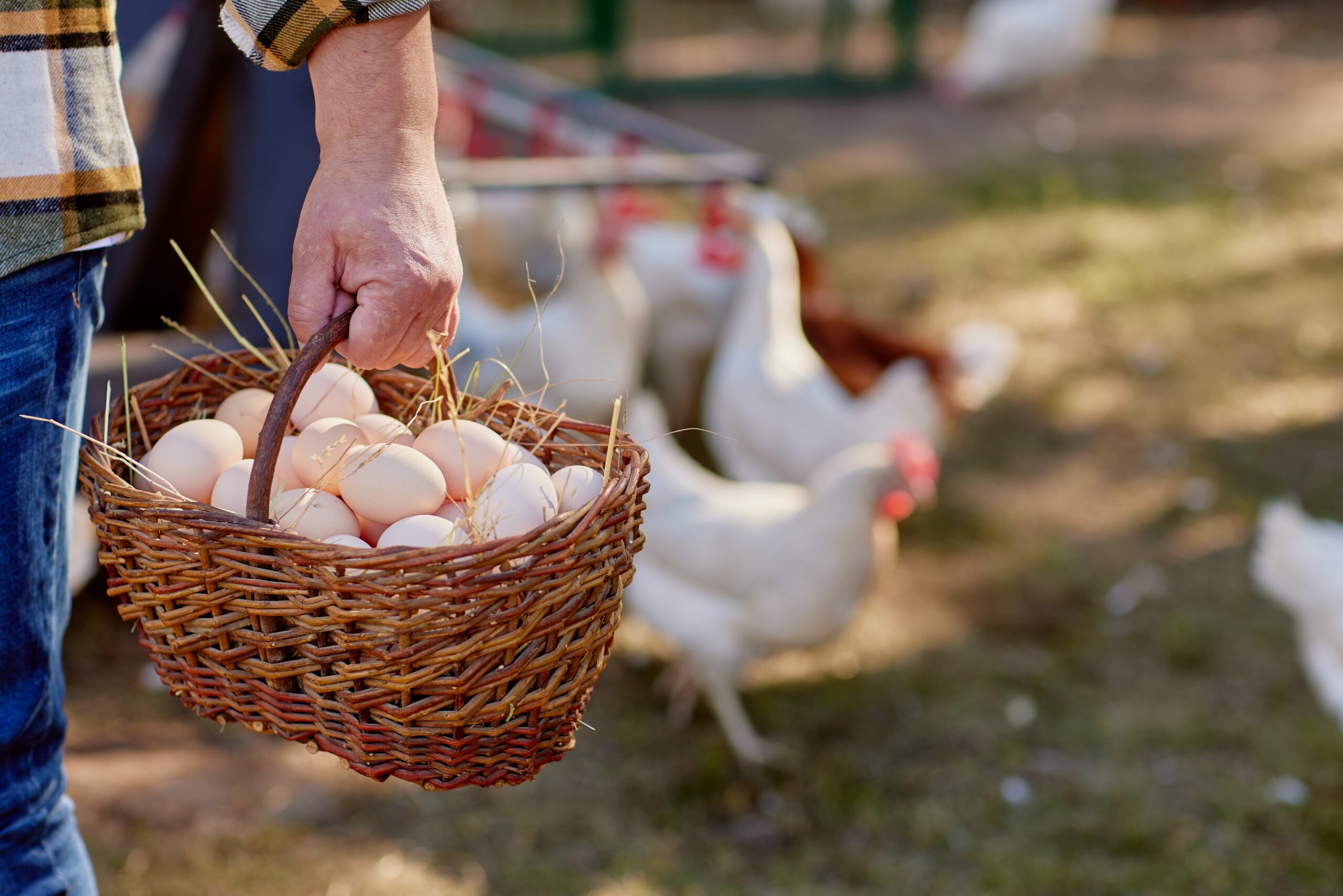
The Centers for Disease Control and Prevention (CDC) reported a multistate salmonella outbreak with 34 cases confirmed, directly linked to consumption or contact with backyard poultry.
After interviewing 29 of those affected, the CDC They determined that the seventy 9% of them confirmed having had close contact with these birds. So far, the cases are distributed in thirteen states: Florida, Illinois, Indiana, Kentucky, Maryland, Maine, Michigan, Mississippi, New Hampshire, Ohio, Tennessee, Wisconsin and West Virginia.
Experts do not rule out that the outbreak affects more states and a greater number of people. Due to the characteristics of the salmonellosismany patients recover without needing medical attention and therefore laboratory tests are not performed to confirm the bacterial infection.
The most recent report details the following:
- Of the 34 cases registered, 13 required hospitalization.
- 14 people declared having poultry in their own homes.
- He 93% of bird owners reported purchasing birds on or after January 1, 2026 at various points, including agricultural retail stores.
Currently, the primary objective of the investigation is to trace the exact origin of the birds and determine which hatcheries supplied the retail outlets.
Risks and benefits: the challenge of organic
Raising birds at home is a common practice to encourage savings and consumption of organic food free of chemical additives. However, one of the critical risks is the proliferation of bacteria (like the Salmonella). These can not only be present in the eggsbut also on the skin and feathers of animals, facilitating the cross contamination in common spaces.
Prevention and biosafety measures
To prevent further infections, CDC They recommend extreme hygiene measures at home:
- Handwashing: Always use soap and water immediately after touching the animals, their eggs or any objects in their breeding area.
- Disinfection: Reinforce hygiene with disinfectants to eliminate bacterial residue after contact.
- Physical distance: Avoid kissing or petting birds. It is prohibited eat or drink near themespecially if an infection is suspected.
- Egg handling: Collect eggs frequently and discard any that are broken. Wipe away any dirt or residue with dry paper and proceed to refrigerate them immediately to stop the spread of germs.
Keep reading:
Thousands of melons are recalled in New York and 3 states due to the risk of salmonella
.The 7 foods with the highest risk of consumption in the US, according to reports
.Invisible bacteria: why a good smell does not guarantee food safety