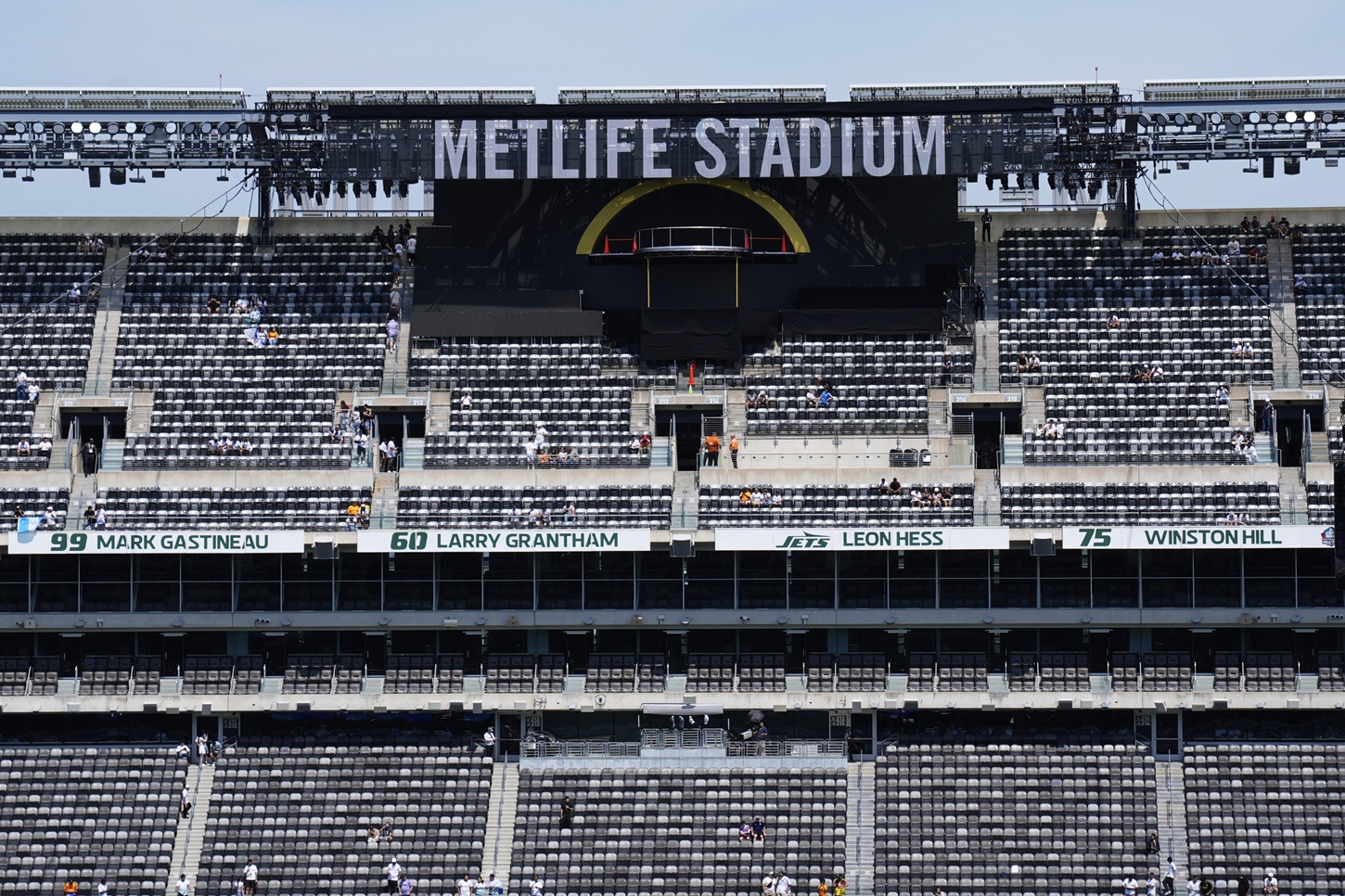
The 2026 World Cup may not be the business that FIFA, sponsors and governments of the organizing countries expected. Several cities in the United States, the main venue for the tournament, face the risk of losing up to $30 billion as thousands of foreign fans are reconsidering travel in the face of high costs, immigration restrictions and safety warnings related to travel during the tournament.
The impact is already beginning to be felt. Some international fans have chosen to change their trips to other games in other venues in Canada or Mexico, which threatens jobs, hotel occupancy and small businessesespecially in Latin communities, who hoped to do good business during the tournament that begins June 11.
Why some foreign fans are avoiding the US at the 2026 World Cup
The problem is not the lack of interest in football or the tournament in the country. According to tourism industry estimates, the 2026 World Cup could attract tens of millions of visitors to North America and generate nearly US$30,000 million for the American economy. The obstacle is in the travel experience, which presents several threats: more complicated procedures, invasive immigration controls and prices out of reach of many fans.
Furthermore, in recent months several countries updated their travel warnings to the United States, citing concerns about security, gun violence and unequal treatment of tourists foreigners. New immigration requirements are also added, such as the review of social networks and digital background for those who use the ESTA program, which make the entry process more expensive and longer.
Flight and hotel costs that scare away fans
Another very specific problem for traveling to the US during the World Cup is your pocketbook. Various analyzes indicate that Prices for flights to host cities have skyrocketed, and many hotel chains have also adjusted their rates to take advantage of the World Cup demand. For a fan traveling with family, the difference between staying in Toronto or Vancouver versus New York or Miami can represent thousands of dollars.
These factors are pushing numerous fans to choosing Canada or Mexico as the most important part of your trips and, in the best case, make only a short stopover in the United States. In other cases, they prefer to follow the tournament from home, leaving vacant rooms and tables that many businesses already considered safe.
Fewer tourists, fewer tips: the impact on the Hispanic community
A possible drop in international visitors to the World Cup would come at a delicate time for American tourism, which is still seeking to recover from years of adverse outcomes from reduced mobility and changes in travel preferences, just in a year that was seen as historic for the sector.
In cities like New York, Miami, Houston or Los Angeles, a significant portion of the people who work in hotels, restaurants, bars, tours, transportation and retail are Hispanic. If the flow of visitors is slashed, Earnings from reservations and tips would suffer and additional shifts would be eliminateddirectly affecting the income of thousands of Latin families who were waiting for the World Cup as an opportunity to earn additional money at work and their sales.
What Hispanic businesses can do right now
In this environment, there are concrete actions that small businesses can take advantage of every visitor that does come to their cities:
- Prepare menus, announcements and basic service in several languages (English, Spanish and, if possible, Portuguese or French).
- Offer special promotions on match days to attract tourists looking for alternatives to large chains.
- Coordinate with other businesses in the neighborhood to create gastronomic or cultural routes near the fan zones or stadiums.
- Adjust opening hours to adapt to match departures and nighttime consumption peaks.
In practical terms, Each international visitor who arrives will be worth more than ever, because there will be less competition for their spending and more need to retain them.
What does the industry say about the risk of losing tourists?
Leaders of tourism organizations have warned that stricter immigration measures and greater demands on visa-exempt tourists could translate into billions of dollars less in tourism spending and tens of thousands of jobs at risk. Although these calculations do not refer only to the World Cup, they illustrate the size of the blow when travelers decide to change destinations.
At the same time, analysts point out that Canada and Mexico They are taking advantage of the moment to present themselves as “easier and cheaper” alternatives to live the tournament experience. If that perception is consolidated, the United States could host the World Cup with full stadiums, but with fewer foreign tourists than originally projected.
Frequently asked questions (FAQ) about the 2026 World Cup and tourism in the US.
How much did the United States expect to win with the 2026 World Cup?
Official and industry projections estimated a spill of up to $30 billion in the US economy, adding tickets, lodging, transportation, food and related consumption.
Why are some foreign fans reconsidering their trip to the United States?
Due to greater visa requirements and controls, travel warnings issued by their governments, fear of security incidents and high prices for flights and accommodation in host cities.
Does this also affect Canada and Mexico?
Many fans are redirecting their trips to venues in Canada and Mexico, perceived as cheaper and with less immigration friction, although there is also an increase in lodging prices there.
How does this impact the Hispanic community in the US?
Fewer tourists mean fewer hotel reservations, less consumption in restaurants and less temporary work, affecting a lot of Hispanic workers in host cities.
Can domestic tourism compensate for the lack of foreigners?
Domestic tourism helps, but international visitors tend to spend more per day and stay longer, so their absence slash the expected total spill even if stadiums fill up with local fans.
Conclusion
If the right trend continues, the United States could celebrate the World Cup 2026 with large audiences and complete stadiums, but with a smaller tourist income than expected.
For the Hispanic community that lives and works in host cities, the real play will be how to adapt to a scenario where each visitor counts more, and where the best defense will be to anticipate: improve services, coordinate in the neighborhoods and not trust that the World Cup, by itself, will fill the cash registers.
Keep reading:
– FIFA announces record $871 million in prize money for the 2026 World Cup
– NYC will bring the free soccer World Cup to the five boroughs: There will be fan areas
– World Cup 2026 at MetLife: no parking, train up to $150 and buses every 30 seconds