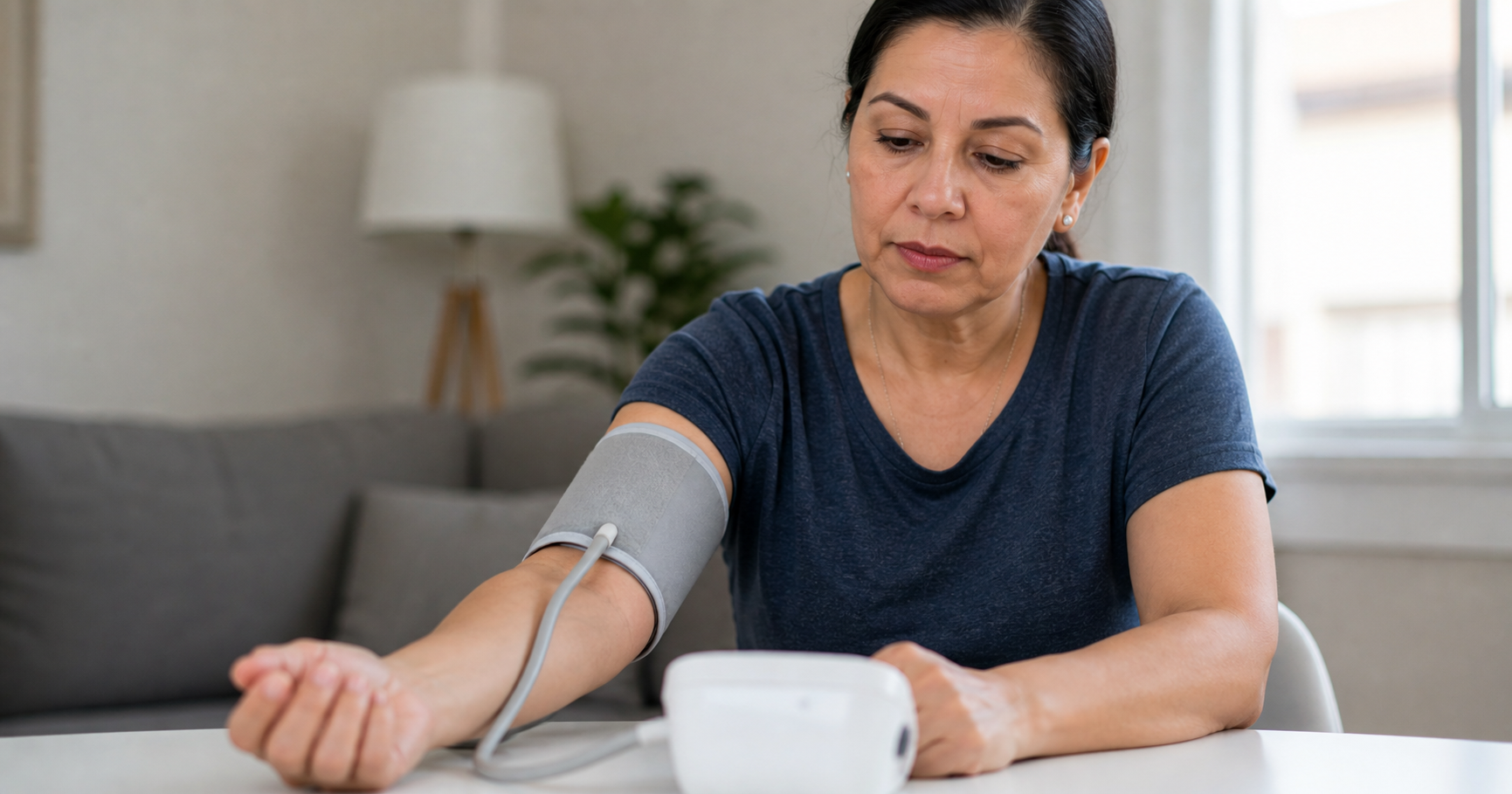
High blood pressure – also called hypertension – usually progresses without giving clear signs, but its consequences can be serious if it is not detected in time. In the United States, the Centers for Disease Control and Prevention (CDC) estimates that Almost half of adults live with hypertension and a large part does not have it under control. In cities like New York, where the pace of life, stress and eating habits influence, the problem is even more relevant from a public health point of view.
At the global level, the World Health Organization warns that Hypertension is one of the main risk factors for cardiovascular diseases and premature deaths. The challenge is that, in many cases, does not create obvious symptoms for years, which delays diagnosis. That is why it is known as the “silent killer”: when complications appear, the damage may already be advanced.
However, This does not mean that the body does not send signals. In some people, Subtle or non-specific symptoms can be an early warningalthough they are often confused with fatigue, stress or minor problems. Recognizing them and not ignoring them can be key to acting before high blood pressure generates more serious consequences.
Why is it so important to detect it in time?
Although most cases do not present obvious symptoms, some signs can appear and go unnoticed:
- Persistent headache, especially in the morning.
- Dizziness or feeling unstable.
- Ringing in the ears (tinnitus).
- Blurred vision or points of light.
- Constant fatigue with no clear cause.
- Feeling of pressure in the chest or unexplained anxiety.
These symptoms do not always indicate hypertension, but if they repeat or appear together, it is important not to minimize them.
The most common mistake: waiting for clear signals
One of the main difficulties with high blood pressure is that Many people wait for intense symptoms before consulting. But, in practice, that rarely happens. That is why medical guidelines recommend periodic check-ups even in people without symptoms, because the only sure way to detect it is to measure blood pressure.
Factors that increase risk
There are conditions that make it more likely to develop hypertension:
- Constant stress.
- High salt diet.
- Overweight.
- Lack of physical activity.
- Alcohol or tobacco consumption.
- Family history.
In Latino communities, the risk may be greater due to combined factors such as diet, access to health services and working conditions.
What to do if you suspect you have high blood pressure
The first step is easy: measure the pressure. Today there are accessible devices to do it at home, in addition to free or low-cost controls in pharmacies and health centers.
If the values are high or the symptoms repeat, it is advisable to consult a professional to confirm the diagnosis and evaluate the treatment.
The important thing is to keep in mind that high blood pressure does not always give clear signs, but the body can send subtle warnings. Listening to them in time can make a difference.
Continue reading:
The natural shield for your liver? How soursop helps curb fat and reduce inflammation
3 medications you should never mix with Viagra: doctors warn
5 key tips to combat abdominal fat