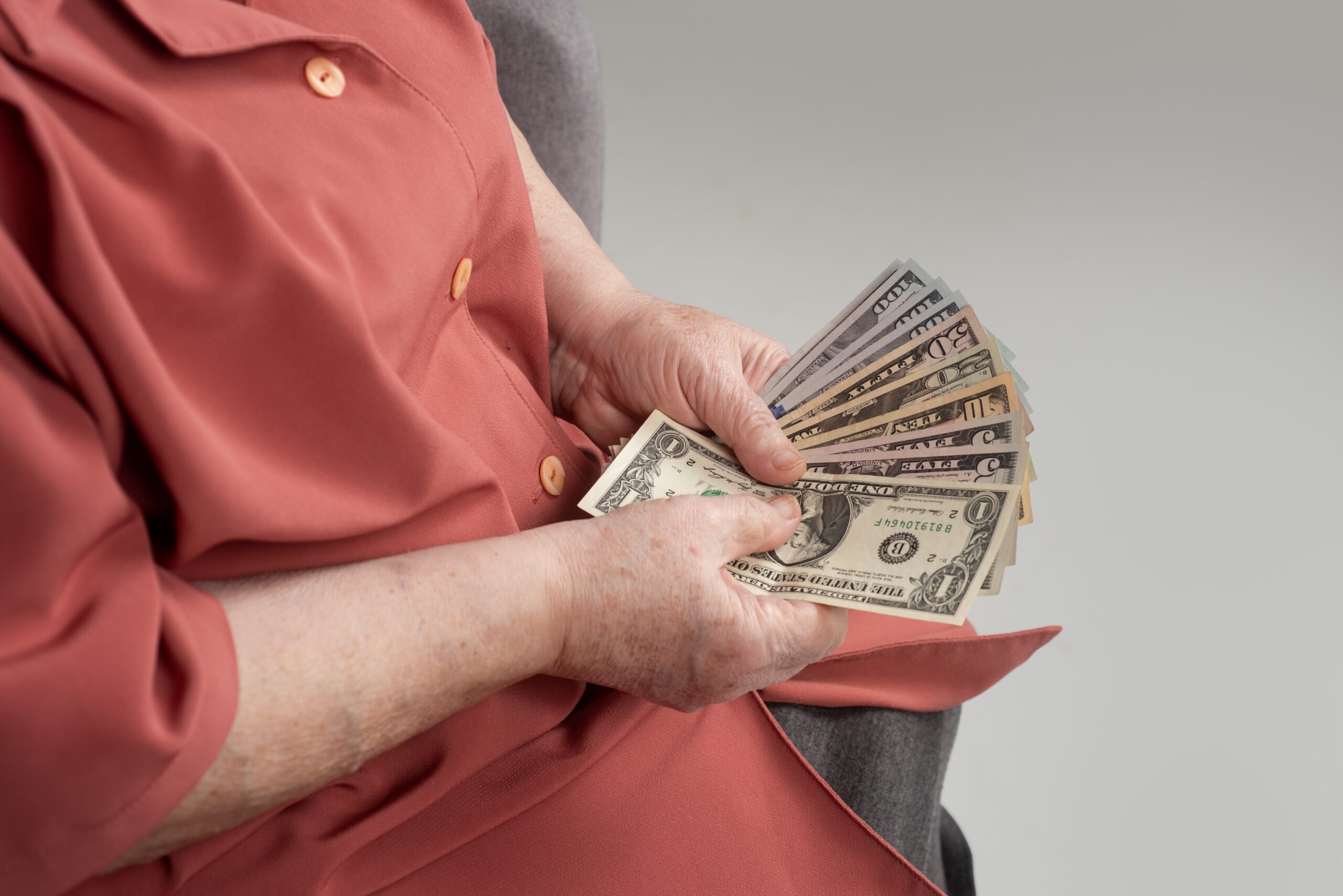
Income level makes a clear difference in lifestyle during retirement. While some older adults allocate their money mainly to cover basic needs, others have more room for expenses on housing, travel and amenities.
How each group is defined
According to 2024 data from the Bureau of Labor Statistics (BLS) and the Social Security Administration (SSA), retirees are classified as follows:
-Middle class: annual income between $50,000 and $99,999
-Upper class: income of $100,000 or more
Annual expenditure of a middle class retiree
Middle-class retirees tend to take more care of their budget, although they face increases in key items such as housing and health.
-Income between $50,000 and $69,999: average spending $59,599 a year
-Income close to $100,000: expenditure of $71,506 annually
This equates to approximately $5,000 to $6,000 per month.
Annual expenditure of an upper class retiree
In contrast, retirees with higher incomes have considerably higher spending, driven by lifestyle decisions and greater disposable income.
-Annual average: $106,150
-Monthly average: $8,850
This is about $35,000 more per year than a middle-class retiree. In some cases, they can even exceed six figures annually, depending on where they live and their lifestyle.
Housing: the biggest expense for everyone
Housing is the most expensive item in both groups, but with important differences:
-Middle class: between $21,000 and $24,600 a year
-Upper class: around $33,600 annually
Factors such as higher taxes, larger homes or second properties explain the gap.
Health: a constant expense
Health spending is relevant regardless of income level:
-Middle class: between $8,200 and $9,200 per year
-Upper class: more than $11,000 annually
Although it represents a lower percentage of income for the richest, in absolute terms it is higher.
Transportation, travel and lifestyle
The most marked differences appear in discretionary spending.
Transport:
-Middle class: $9,600 to $10,500 a year
-Upper class: around $13,800
Retirees with higher incomes also spend more money on travel, entertainment and personal services.
Food: more spending outside the home
Spending on food also increases with income, especially for eating out:
-Middle class: between $7,700 and $9,000 annually
-Upper class: around $12,100 or more
This increase is usually related to consumption habits and greater frequency of travel.
Keep reading:
– Supplemental Security Income (SSI) payment dates in May 2026
– The cost of living in NYC does not let up: what is rising the most in 2026
– Card debt in the US breaks another record of $1.28 trillion and is already costing you more every month