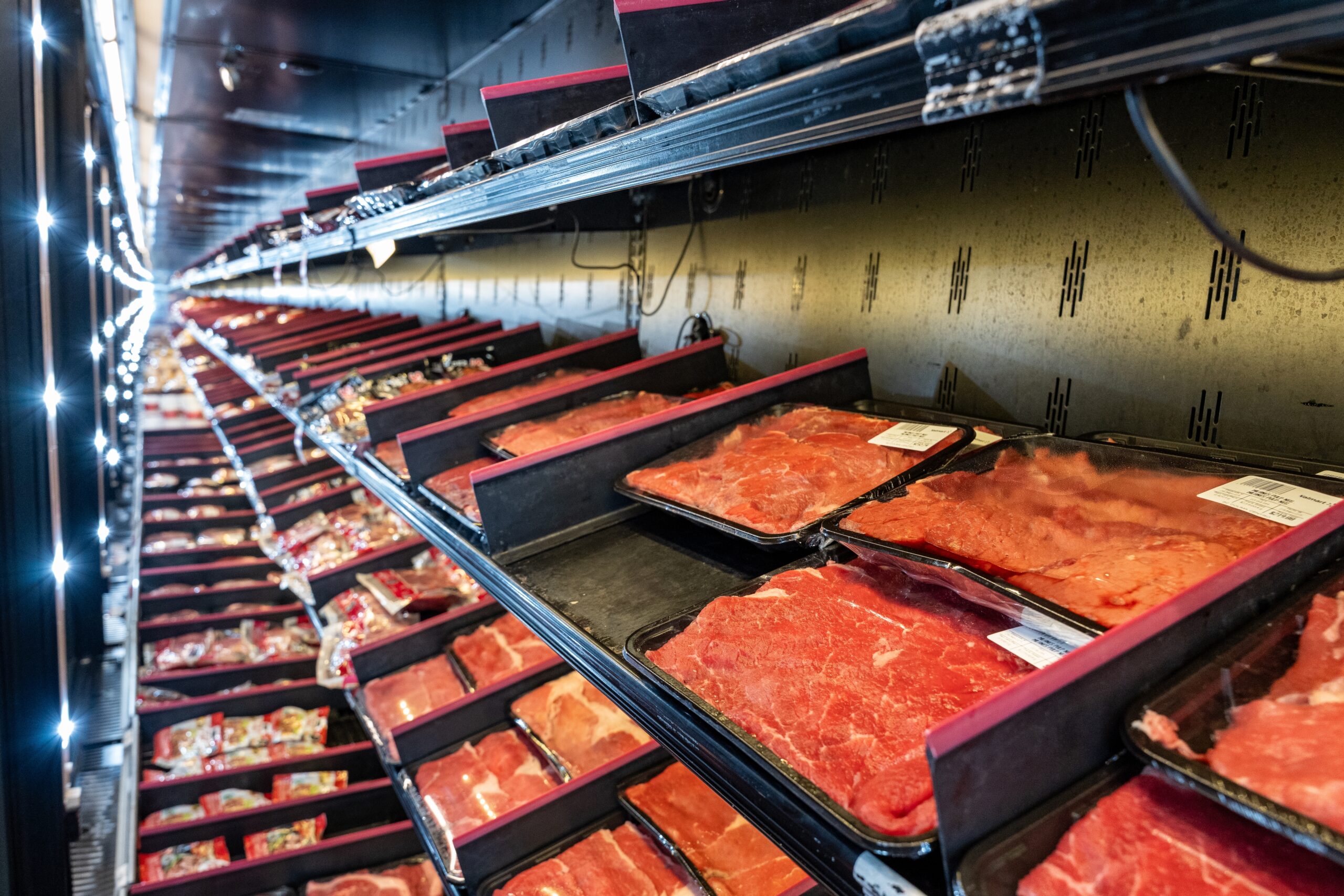
The increase in the price of beef is leading many families in the United States to change their consumption habits, increasingly opting for cheaper alternatives like chicken.
In March, the average price of ground beef reached $6.70 per pound, representing a 16% increase compared to the previous year.
This increase is part of a broader trend driven by supply issues and livestock declines to their lowest level in 75 years due to drought and high feed costs.
Less beef on the table
The rising cost of beef has begun to be reflected in family menus, making it more difficult to maintain traditional dishes such as hamburgers or tacos without affecting the budget.
Michael Swanson, chief agricultural economist at the Wells Fargo Institute of Food and Agriculture, explained: “Retail beef prices have stabilized over the past six months,” although they remain at elevated levels.
Limited production and high prices
The situation dates back almost a year ago, when weather conditions and rising costs forced producers to reduce their herds. This shortage continues and is expected to persist.
The United States Department of Agriculture projects that beef production in 2026 will be approximately 25.Seventy 9 billion pounds, while livestock prices will remain high.
Economist Bernt Nelson of the American Farm Bureau Federation warned: “High livestock prices, combined with uncertainty about future prices and profitability, could force farmers to continue allocating a higher percentage of females to meat production rather than breeding.”
Imports and reviews
Faced with high demand and limited supply, the United States has increased meat imports.
In February, President Donald Trump signed a proclamation to increase imports of Argentine beef with low tariffs.
However, the measure generated criticism. Senator Deb Fischer of Nebraska said: “Instead of imports that marginalize American livestock farmers, we should focus on solutions that reduce bureaucracy, lower production costs and support livestock herd growth.”
Chicken gains ground
While beef prices remain high, chicken is positioned as a more accessible option for consumers.
This change is already reflected in consumption: it is estimated that in 2025 the average American will consume 59.1 pounds of beef, vs. 102.5 pounds of chicken and 50.3 pounds of pork.
Specialists consider that this trend could continue if beef prices do not fall in the short term.
Keep reading:
– Inflation in the US: the expenses that are most at risk of rising in the next 90 days
– McDonald’s, Taco Bell and KFC change their drinks in 2026 and adjust prices
– Building in the US already costs up to $10,900 more due to tariffs on China and rents continue to rise